
Purchasing a property represents one of the largest financial investments most people make in their lifetime. A professional home inspection serves as your crucial safeguard, providing valuable information about a property’s condition before you complete the purchase. Whether you’re first time homebuyers navigating the real estate market or experienced investors evaluating potential acquisitions, understanding the comprehensive scope of home inspection services can save you thousands of dollars and protect your safety.
This complete guide covers everything you need to know about the home inspection process, from scheduling your initial inspection to understanding California-specific requirements. We’ll explore the full range of inspection types available, modern technology used by qualified home inspectors, and how to interpret detailed reports that identify potential problem areas before they become costly repairs.
What is a Home Inspection
A home inspection is an independent, unbiased review of a property’s condition conducted by a qualified professional. This non-invasive examination covers mechanical, electrical, plumbing, and structural systems throughout residential properties, providing homeowners and prospective buyers with a comprehensive assessment of the building’s safety and functionality.
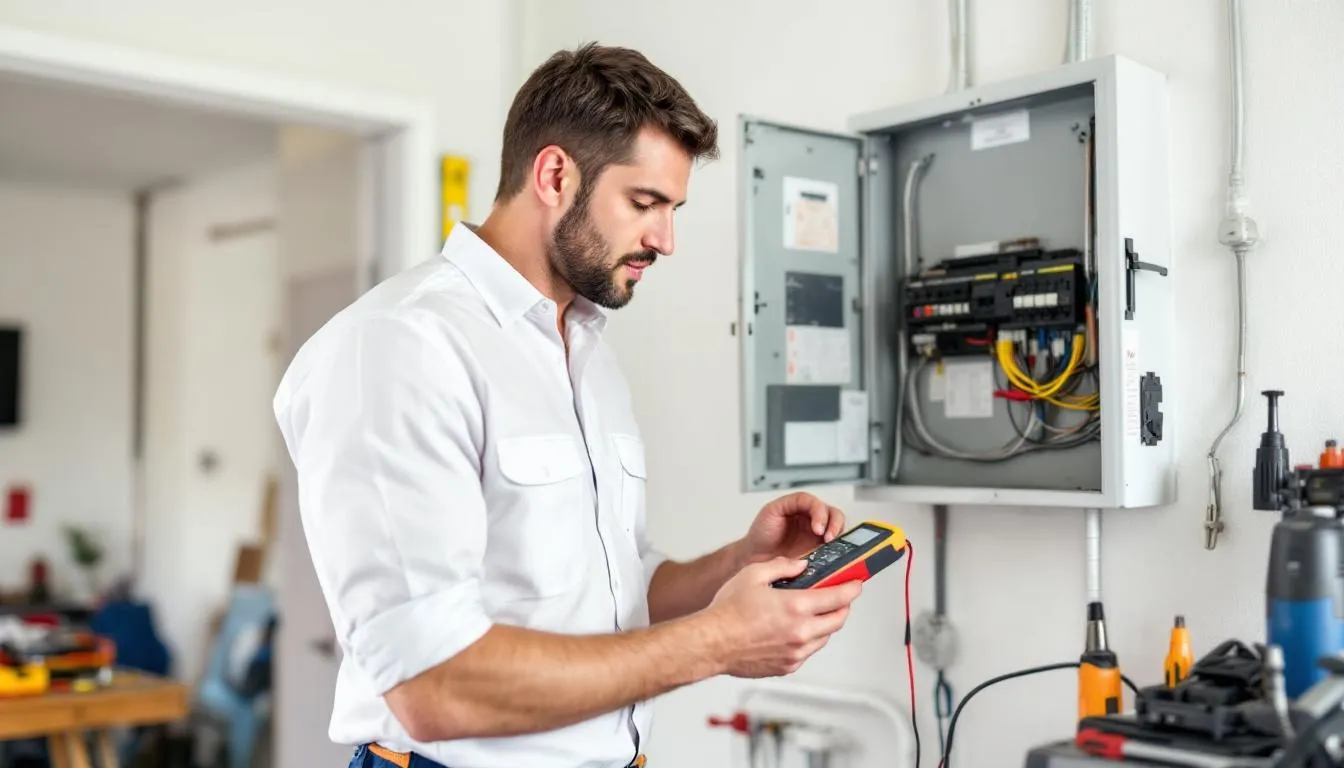
A professional home inspector is carefully examining an electrical panel using testing equipment to assess the home’s condition and identify any potential hazards. This inspection is crucial for ensuring safety and providing valuable information to homeowners and first-time buyers.
The primary purpose of home inspections is to identify material defects and safety hazards that could affect the property’s value, habitability, or pose risks to occupants. Unlike appraisals that determine market value, a home inspection focuses on the physical condition and major systems within the house. Professional inspectors evaluate visible and accessible components, documenting any issues that require attention or could lead to future problems.
During a standard inspection, certified home inspectors examine key components including the foundation, roof, HVAC systems, electrical panels, plumbing fixtures, and interior spaces. The inspector provides an objective evaluation that helps buyers and sellers make informed decisions about property transactions. This process serves as essential risk management, allowing all parties to understand the home’s condition before closing.
Home inspection services are particularly valuable in competitive real estate markets like San Francisco and San Jose, where properties often sell quickly. A thorough inspection can reveal hidden issues that might not be apparent during casual viewing, ensuring you understand exactly what you’re purchasing before finalizing your investment.
The Home Inspection Process
Understanding the step-by-step home inspection process helps set proper expectations and ensures you maximize the value of this important service. The complete process typically spans several days from initial contact to final report delivery, with careful attention to timing and thoroughness throughout each phase.
Initial Consultation and Scheduling
The process begins with an initial consultation where you discuss specific concerns, problem areas, and any special needs for your property inspection. This pre-inspection call allows the inspector to understand your priorities and tailor their approach accordingly. Whether you’re concerned about potential mold, structural issues, or indoor air quality, communicating these interests upfront ensures focused attention during the inspection.
Professional inspection companies typically provide online scheduling systems where clients complete required information including contact details, property address, and specific inspection requirements. Within 24 hours, a specialist contacts you by phone or email to discuss deadlines, access requirements, and any special considerations for your property.
Onsite Inspection Process
The onsite inspection represents the core of the home inspection process, lasting anywhere from 1 to 4 hours depending on property size, age, and condition. Experienced home inspectors systematically examine every accessible area of the building, from foundation to roof, documenting findings with high-definition photography throughout the process.
During this phase, inspectors use modern technology including moisture scanners, infrared thermal imaging cameras, and specialized testing equipment to identify issues not visible to the naked eye. The non-invasive nature of the inspection means no dismantling or destructive testing occurs, preserving the property’s integrity while gathering comprehensive information about its condition.
Optimal scheduling occurs during daylight hours to ensure thorough visibility of all exterior components and natural lighting for interior spaces. Many clients choose to attend the inspection, allowing them to ask questions and gain firsthand understanding of any concerns identified by the inspector.
Documentation and Reporting
Throughout the inspection, professional inspectors capture detailed photographs documenting both normal conditions and any deficiencies discovered. This visual documentation becomes an integral part of the final report, providing clear evidence of the home’s condition at the time of inspection.
The inspector’s systematic approach ensures no major systems or components are overlooked. From examining electrical circuits and testing GFCI outlets to evaluating roof drainage and checking for proper ventilation, every aspect of the property receives careful attention and documentation.
Report Preparation and Delivery
Following the onsite inspection, report preparation typically takes up to 3 days for completion and delivery. Professional inspection companies offer digital report delivery via email as standard practice, with expedited service available for additional cost when tight closing deadlines require faster turnaround.
The comprehensive report includes high-definition photos, detailed descriptions of findings, and clear recommendations for any issues requiring attention. Reports are formatted for easy understanding, avoiding technical jargon while providing realistic condition evaluations that help guide your decision-making process.
A follow-up phone call from the inspector provides an opportunity to discuss findings, clarify recommendations, and answer any questions about the report contents. This personal consultation ensures you fully understand the inspection results and can make informed decisions about your property purchase or maintenance priorities.
Types of Home Inspections
Understanding the different types of home inspections available helps you select the appropriate services for your specific property and needs. From standard residential inspections to specialized environmental testing, various inspection types address different aspects of property evaluation and safety assessment.
Residential Inspections
Full home inspections represent the most comprehensive evaluation available for residential properties. These inspections cover everything from roof to foundation, including room-by-room interior checks of all major systems and components. The thorough process typically takes 2-4 hours depending on property size and includes evaluation of structural elements, mechanical systems, electrical components, and plumbing throughout the house.
Condo inspections focus specifically on unit interiors while also examining relevant common areas such as parking structures, storage areas, and shared building systems. These inspections address the unique aspects of condominium ownership, evaluating both individual unit conditions and shared infrastructure that affects all residents.
Mobile home inspections require specialized expertise due to unique construction methods and systems used in manufactured housing. These inspections typically take 2-3 hours and address specific concerns related to mobile home construction, including foundation systems, electrical connections, and structural integrity considerations unique to manufactured buildings.
Builder warranty inspections serve homeowners with new or recently remodeled properties still covered under warranty agreements. These detailed inspections identify construction defects, incomplete work, or code violations that should be addressed by the builder before warranty periods expire. This proactive approach protects homeowner interests and ensures proper completion of construction projects.
Specialty Inspections
Licensed termite inspections meet California loan requirements for wood-destroying pest evaluations, providing essential information for property financing and safety. These specialized inspections examine all accessible areas for evidence of termite damage, fungal growth, or conditions conducive to pest infestation. Professional evaluators document findings and recommend appropriate treatment or prevention measures when necessary.
Roof inspections provide detailed evaluation of all roofing elements and interconnected waterproofing systems. These comprehensive assessments examine shingles, flashing, gutters, downspouts, and drainage systems to identify current damage or potential failure points. Given the significant cost of roof replacement, these focused inspections provide valuable information for maintenance planning and purchase negotiations.
Foundation inspections address particular concerns common in older San Francisco Bay Area construction, including seismic retrofitting, drainage issues, and settlement problems. These specialized evaluations examine foundation walls, support posts, floor framing, and drainage systems to identify structural concerns or necessary seismic safety improvements.
Environmental inspections encompass testing for indoor mold growth, lead paint, and asbestos inspections with professional evaluation of results. These services address health and safety concerns related to hazardous materials, particularly important in older buildings where these substances may be present. Testing includes air sampling for indoor air quality assessment and surface sampling for specific contaminant identification.
Commercial Inspections
Commercial building inspections cover all major systems and structural elements in non-residential properties. These comprehensive evaluations require specialized knowledge of commercial construction methods, building codes, and safety systems. All commercial inspections must be performed by licensed inspectors with appropriate credentials and experience in commercial property assessment.
Multi-unit property inspections evaluate each individual unit along with common building systems and shared areas. These complex inspections require coordination with multiple tenants and property managers while ensuring thorough evaluation of both individual spaces and shared infrastructure. The process addresses unique challenges of multi-unit properties including shared plumbing, electrical distribution, and HVAC systems.
Professional inspection companies maintain strict standards requiring licensed inspectors for all commercial projects. This ensures appropriate expertise and liability coverage for complex commercial property evaluations that often involve significant financial stakes and regulatory compliance requirements.
What Inspectors Examine – 300 Key Factors
Professional home inspectors evaluate approximately 300 specific factors across all major systems and components of residential properties. This comprehensive approach ensures no critical elements are overlooked during the inspection process, providing thorough documentation of the property’s condition and any areas requiring attention.
Electrical Systems
Electrical system evaluation encompasses the main service panel, circuit breakers, wiring condition throughout the house, and proper grounding installation. Inspectors test outlet functionality, verify GFCI protection in appropriate locations, and identify any unsafe wiring practices or code violations. The inspection includes checking for adequate electrical capacity, proper circuit protection, and safe installation methods throughout the electrical system.
Common electrical issues identified during inspections include outdated wiring, overloaded circuits, missing GFCI protection, and improper electrical connections. These safety hazards require prompt attention from qualified electrician professionals to ensure resident safety and code compliance.
Plumbing Systems
Comprehensive plumbing inspection covers visible pipes, water heater condition, water pressure testing, and drainage functionality throughout the property. Inspectors examine fixtures in bathrooms and kitchens, test for leaks under sinks, and evaluate overall system condition including supply lines and waste disposal systems.
Water pressure testing ensures adequate flow throughout the house while drainage evaluation identifies any blockages or improper installation. The inspection also covers water heater safety, proper venting, and compliance with current plumbing codes. Musty odors or water stains often indicate hidden plumbing issues that require further investigation.
HVAC Systems
Heating, ventilation, and air conditioning system inspection includes testing equipment operation, evaluating ductwork condition, and checking proper ventilation throughout the house. Inspectors examine furnaces, air conditioning units, thermostats, and air filtration systems to ensure proper functionality and safety.
The evaluation includes checking for proper installation, adequate capacity for the property size, and compliance with safety codes. Indoor air quality assessment may identify issues with ventilation, filtration, or distribution that affect occupant comfort and health.
Structural Elements
Foundation inspection addresses structural integrity, checking for cracks, settlement, or water damage that could affect building stability. Inspectors examine foundation walls, support posts, floor framing, and load-bearing components to identify any structural concerns requiring professional evaluation or remediation.
Roof structure evaluation includes examining rafters, trusses, and sheathing for damage, proper installation, or signs of stress. This structural assessment ensures the building’s integrity and identifies any areas requiring reinforcement or repair by qualified general contractor professionals.
Exterior Features
Exterior inspection covers siding condition, window and door functionality, weatherproofing, and proper drainage around the building perimeter. Inspectors examine paint condition, caulking, and weatherstripping to identify areas where moisture could enter the structure.
Landscaping drainage evaluation ensures water flows away from the foundation, preventing moisture problems that could lead to structural damage or indoor mold growth. Proper grading and drainage are essential for protecting the building’s foundation and preventing water-related issues.
Interior Features
Room-by-room inspection evaluates flooring condition, wall and ceiling integrity, door and window operation, and built-in appliances functionality. Inspectors document any signs of water damage, settling, or wear that could affect habitability or require repair.
The interior evaluation includes checking stairways, handrails, and safety features throughout the house. Particular attention is paid to identifying any safety hazards or code violations that could affect resident safety or property value.
Safety Features
Safety system evaluation includes testing smoke detectors, carbon monoxide detectors, and other safety devices throughout the property. Inspectors verify proper installation, functionality, and compliance with current safety codes for resident protection.
The inspection also covers emergency egress from sleeping areas, handrail condition, and other safety features required by building codes. This comprehensive safety assessment helps identify any hazards requiring immediate attention to protect occupant safety.
Modern Technology and Tools Used
Today’s home inspectors utilize advanced technology and sophisticated tools to provide more accurate and comprehensive property evaluations than ever before. These modern instruments enhance the traditional visual inspection process, allowing inspectors to detect issues not visible to the naked eye and provide more detailed documentation of property conditions.
Infrared Thermal Imaging Technology
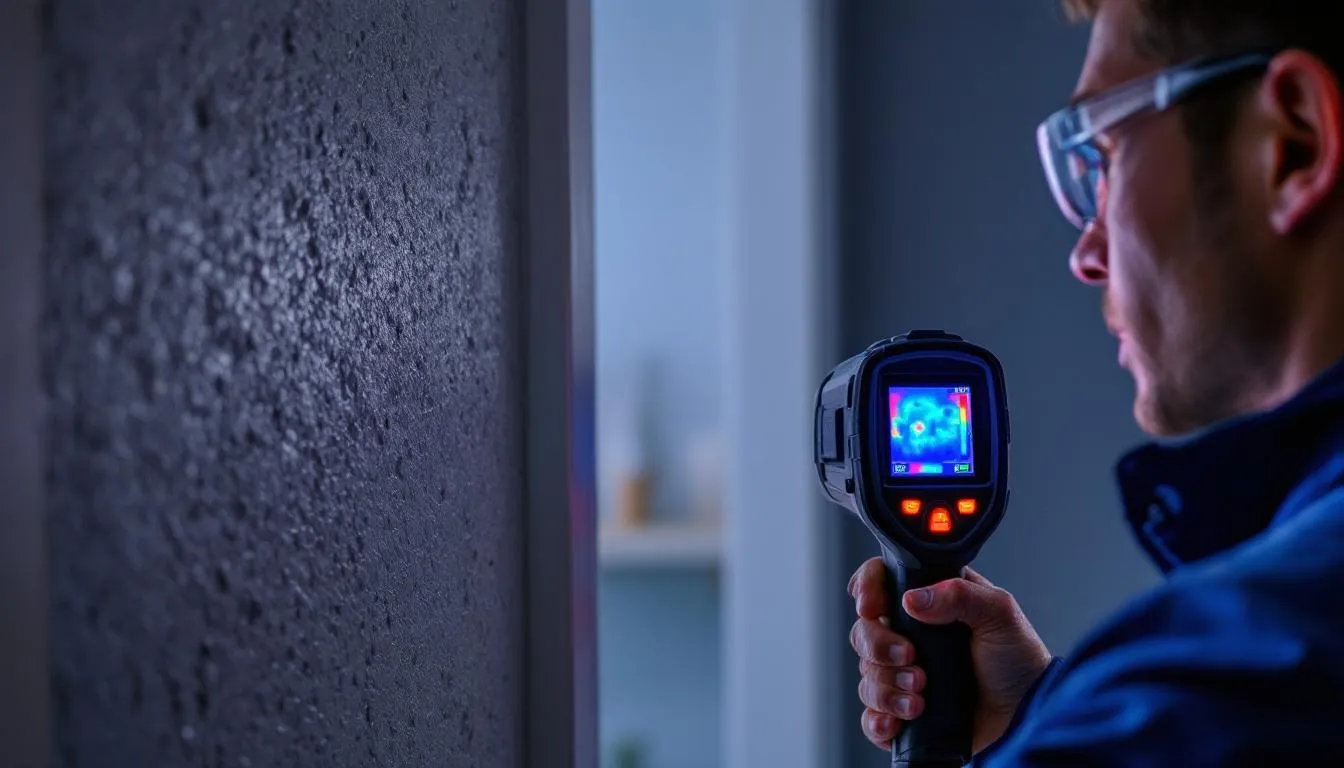
Infrared thermal imaging cameras represent one of the most valuable technological advances in modern home inspection services. These sophisticated devices detect temperature variations that indicate hidden moisture problems, electrical issues, or insulation deficiencies within walls and ceilings. The non-invasive nature of thermal imaging allows inspectors to identify potential problems without disturbing building materials or requiring destructive testing.
Thermal imaging technology proves particularly effective for identifying water intrusion, electrical hot spots, and energy efficiency issues. These cameras can detect moisture behind walls that could lead to mold growth, overloaded electrical circuits that pose fire risks, and missing insulation that affects energy costs. The visual heat maps produced by these devices provide clear documentation of problem areas for property owners and contractors.
Drone Technology for Elevated Inspections
Drone technology revolutionizes roof and high-elevation inspections by providing safe, detailed access to areas traditionally difficult or dangerous to examine. Professional-grade drones equipped with high-definition cameras allow inspectors to thoroughly document roof conditions, chimney integrity, and other elevated building components without requiring ladder access or risking inspector safety.
This technology proves especially valuable for steep roofs, multi-story buildings, or properties where traditional roof access presents safety concerns. Drone inspections provide detailed photographic documentation of shingle condition, flashing integrity, gutter systems, and chimney structures that form part of comprehensive inspection reports.
Advanced Moisture Detection Equipment
Moisture scanners and leak detection equipment help identify water intrusion that could lead to structural damage or health concerns. These sensitive instruments detect moisture levels in walls, floors, and ceilings, allowing early identification of problems before they become extensive and costly to remediate.
Professional moisture detection equipment includes pin-type and pinless moisture meters that measure water content in building materials without causing damage. These tools help identify active leaks, past water damage, and conditions that could promote indoor mold growth or structural deterioration.
Environmental Air Testing Units
Specialized air testing equipment evaluates indoor air quality for various environmental concerns including mold spores, allergens, and other airborne contaminants. These sophisticated testing units collect air samples for laboratory analysis, providing objective data about indoor environmental conditions.
Air quality testing becomes particularly important when musty odors are present, occupants experience unexplained health symptoms, or visible signs suggest potential mold or other environmental issues. Professional air testing provides scientific data to guide remediation decisions and ensure healthy indoor environments.
Digital Documentation Systems
High-definition photography equipment and digital documentation systems ensure comprehensive recording of inspection findings. Professional inspectors use advanced cameras with macro lenses, specialized lighting, and digital organization systems to create detailed visual records of property conditions.
Modern inspection software integrates photography, notes, and standardized checklists into comprehensive digital reports delivered electronically to clients. This technology improves report accuracy, reduces delivery time, and provides searchable documentation that clients can reference throughout property ownership.
Choosing the Right Home Inspector
Selecting a qualified home inspector requires careful evaluation of credentials, experience, and professional standards. The inspector you choose will provide critical information affecting your property investment, making their qualifications and approach essential factors in your decision-making process.
Required Certifications and Licensing
Professional home inspector qualifications should include membership in recognized organizations such as ASHI (American Society of Home Inspectors) or InterNACHI (International Association of Certified Home Inspectors). These organizations maintain rigorous standards for education, experience, and continuing professional development that ensure competent service delivery.
In California, home inspectors must comply with Contractors State License Board (CSLB) regulations and maintain appropriate business licensing. While California doesn’t require specific inspector licensing, statutory requirements govern inspection businesses and professional practices throughout the state.
Look for inspectors with minimum 10+ years of experience in construction, engineering, or related fields that provide technical knowledge essential for comprehensive property evaluation. This background ensures inspectors understand building systems, construction methods, and potential problems that could affect property value or safety.
Professional Standards and Safety Protocols
Qualified inspection companies maintain current safety protocols including fully vaccinated inspectors who follow client-required health and safety measures. Professional inspectors use appropriate personal protective equipment including gloves, masks, and maintain temperature monitoring as requested by clients during the inspection process.
Many companies offer video walk-throughs conducted onsite and after inspection completion, providing additional service options for clients unable to attend inspections in person. These technology solutions ensure clients receive comprehensive information about their property regardless of scheduling constraints.
California law prohibits home inspectors from repairing properties they’ve inspected within 12 months, ensuring unbiased evaluations without conflicts of interest. This regulation protects consumers from inspectors who might minimize problems to create repair business, maintaining the independence essential for objective property evaluation.
Evaluation Criteria for Inspector Selection
Research potential inspectors by reviewing their credentials, reading client testimonials, and verifying their insurance coverage and bonding. Professional inspectors carry liability insurance and bonding to protect clients against errors or omissions in their inspection services.
Consider inspectors who provide sample inspection reports allowing you to evaluate their thoroughness, clarity, and attention to detail before hiring their services. Quality reports should be comprehensive, well-organized, and include clear photographs documenting both normal conditions and any deficiencies discovered.
Ask about the inspector’s experience with properties similar to yours, whether they’re familiar with local building practices, and how they stay current with changing codes and standards. Local expertise proves particularly valuable in areas like San Francisco and San Jose where unique construction methods and seismic considerations affect property evaluation.
Inspection Reports and Timeline
Professional inspection reports serve as your comprehensive guide to understanding property condition and planning future maintenance or repairs. These detailed documents provide valuable information that influences purchase decisions, guides repair priorities, and helps establish realistic budgets for property ownership costs.
Report Format and Content
Modern inspection reports utilize digital delivery via email as standard practice, typically completed within 3 days of the inspection date. These comprehensive documents include high-definition photographs, detailed descriptions of findings, and clear recommendations for addressing any issues requiring attention.
Professional reports organize information by building system, making it easy to locate specific information about electrical, plumbing, HVAC, or structural components. Each section includes both normal conditions and any deficiencies discovered, providing complete documentation of the property’s condition at the time of inspection.
Quality reports avoid technical jargon while maintaining accuracy and completeness, ensuring homeowners can understand findings and recommendations without requiring professional interpretation. Clear explanations help property owners prioritize repairs, budget for maintenance, and make informed decisions about their investment.
Expedited Services and Delivery Options
When tight closing deadlines require faster turnaround, many inspection companies offer expedited report service for additional cost. This option ensures reports are delivered within 24-48 hours when transaction timing demands immediate access to inspection results.
Physical report copies remain available upon client request, providing printed documentation for property files or situations where digital delivery isn’t practical. Some clients prefer printed reports for detailed review or sharing with contractors during the repair estimation process.
Digital reports offer advantages including searchable text, linked photographs, and easy distribution to real estate agents, lenders, or contractors involved in the transaction. Electronic delivery also ensures reports aren’t lost or delayed by postal service issues during critical transaction periods.
Follow-Up Support and Consultation
Professional inspection companies provide follow-up phone calls to discuss report findings, clarify recommendations, and answer client questions about inspection results. This personal consultation ensures complete understanding of the property’s condition and helps guide decision-making about repairs or purchase negotiations.
Many inspectors offer ongoing consultation during the repair process, helping homeowners communicate with contractors and ensuring recommended work addresses identified issues appropriately. This continued support maximizes the value of the inspection investment and helps ensure proper problem resolution.
Some companies provide additional services including re-inspection of completed repairs, ensuring work meets professional standards and addresses original concerns identified in the initial inspection report. This quality assurance helps protect your investment and ensures repairs are completed properly.
California-Specific Requirements
California maintains specific regulations governing home inspection businesses and practices throughout the state. Understanding these requirements helps ensure you work with qualified professionals and receive services that meet statutory standards for property evaluation and consumer protection.
Regulatory Framework and Business Standards
California Business and Professions Code § 7195 et seq. has governed home inspection businesses since 1997, establishing statutory requirements for inspection companies and professional practices. While California doesn’t require formal state licensing for individual inspectors, these regulations establish business standards and consumer protection measures.
Home inspection businesses must comply with state contractor licensing requirements when their services include repair recommendations or when they maintain relationships with repair contractors. The California Association of Realtors provides additional guidance on inspection practices and professional standards throughout the state.
Energy information requirements per Assembly Bill 1574 and Public Resources Code § 25401.7 mandate disclosure of certain energy efficiency information during property transfers. These requirements may affect inspection scope and reporting for properties subject to these disclosure obligations.
Professional Practice Standards
California law specifically prohibits home inspectors from accepting kickbacks or paying referral fees to real estate agents, ensuring independent evaluation without financial conflicts that could compromise inspection objectivity. This regulation protects consumers from biased inspections that might minimize problems to facilitate sales transactions.
The 12-month prohibition on inspectors repairing properties they’ve inspected maintains professional independence and prevents conflicts of interest that could affect inspection thoroughness or objectivity. Inspectors must refer repair work to independent contractors rather than performing corrections themselves.
Professional standards require clear disclosure of inspection scope and limitations, ensuring clients understand what is and isn’t included in standard inspection services. This transparency helps prevent misunderstandings about inspection coverage and establishes realistic expectations for service delivery.
Local Building Codes and Considerations
San Francisco Bay Area properties often require specialized knowledge of local building practices, seismic retrofitting requirements, and historic preservation considerations that affect inspection priorities and reporting. Experienced local inspectors understand these regional factors and their impact on property evaluation.
Condominiums and multi-unit properties in California must comply with specific regulations governing shared building systems, seismic safety, and accessibility requirements that affect inspection scope and recommendations. Professional inspectors familiar with these requirements provide more comprehensive evaluations for complex properties.
Environmental considerations including earthquake safety, fire hazard zones, and coastal exposure factors influence inspection priorities and recommendations throughout California. Local expertise ensures these regional concerns receive appropriate attention during property evaluation and reporting.
Costs and Scheduling
Understanding home inspection costs and scheduling considerations helps you budget appropriately and plan inspection timing within your property transaction timeline. Professional inspection services typically represent a small percentage of property purchase cost while providing significant value through risk reduction and informed decision-making.
Pricing Structure and Investment Value
Home inspection costs typically represent approximately 1% of property purchase price, making this essential service a modest investment compared to the financial protection it provides. For most residential properties, inspection fees range from $300 to $800 depending on property size, age, condition, and specific services requested.
Pricing varies based on several factors including property square footage, number of stories, age of construction, and accessibility of building systems. Larger properties require more time for thorough evaluation, while older buildings may need additional attention to identify age-related issues or code compliance concerns.
Specialty inspections including termite evaluations, environmental testing, or specialized system assessments involve additional costs but provide valuable information for specific property concerns. Many clients find comprehensive evaluation more cost-effective than scheduling multiple separate inspections for different property systems.
Scheduling Considerations and Timing
Online quote requests are typically processed promptly with detailed project information including property specifications, deadline requirements, and specific inspection needs. Professional companies provide flexible scheduling to accommodate client timelines and property access requirements during busy real estate markets.
Optimal scheduling occurs during daylight hours when natural lighting provides best visibility for exterior evaluations and interior photography. Most inspections can be scheduled within 1-3 days of initial contact, depending on inspector availability and property access arrangements.
Payment options typically include certified checks, cashier’s checks, or cash accepted at the time of service completion. Some companies offer electronic payment options for added convenience during the scheduling and service delivery process.
Value Proposition and Return on Investment
Professional home inspection services provide exceptional value through early identification of costly problems that might otherwise go undetected until after property purchase. The cost of inspection services is minimal compared to potential expenses for major repairs discovered after closing.
Inspection findings often provide negotiation leverage during purchase transactions, allowing buyers to request seller repairs or price adjustments that can offset inspection costs many times over. Even when no major problems are discovered, the peace of mind provided by professional evaluation justifies the modest investment required.
First time homebuyers particularly benefit from comprehensive inspection services that provide education about property systems, maintenance requirements, and potential future costs associated with homeownership. This knowledge helps establish realistic budgets and maintenance schedules for responsible property ownership.
For sellers, pre-listing inspections can identify and address problems before marketing, reducing the likelihood of transaction delays or price negotiations based on buyer inspection findings. This proactive approach often results in faster sales and higher final sale prices that exceed the inspection investment cost.
Professional home inspections serve as essential risk management tools that protect your largest financial investment while providing valuable information for informed decision-making. Whether you’re buying, selling, or maintaining property in California, qualified home inspection services provide comprehensive evaluation and documentation that supports successful property ownership and transactions.
The comprehensive scope of modern home inspection services, combined with advanced technology and professional expertise, ensures thorough property evaluation that identifies current conditions and potential concerns. By choosing qualified inspectors and understanding the inspection process, you can maximize the value of this essential service and protect your property investment for years to come.